
Selectrocide for food safety
Simplify Food Safety. Sanitize Without Residue.
Cleared under FDA Food Contact Notifications for direct application to produce, and EPA registered as a disinfectant and sanitizer for food contact surfaces and equipment. No rinse at use concentrations.
See the results in the field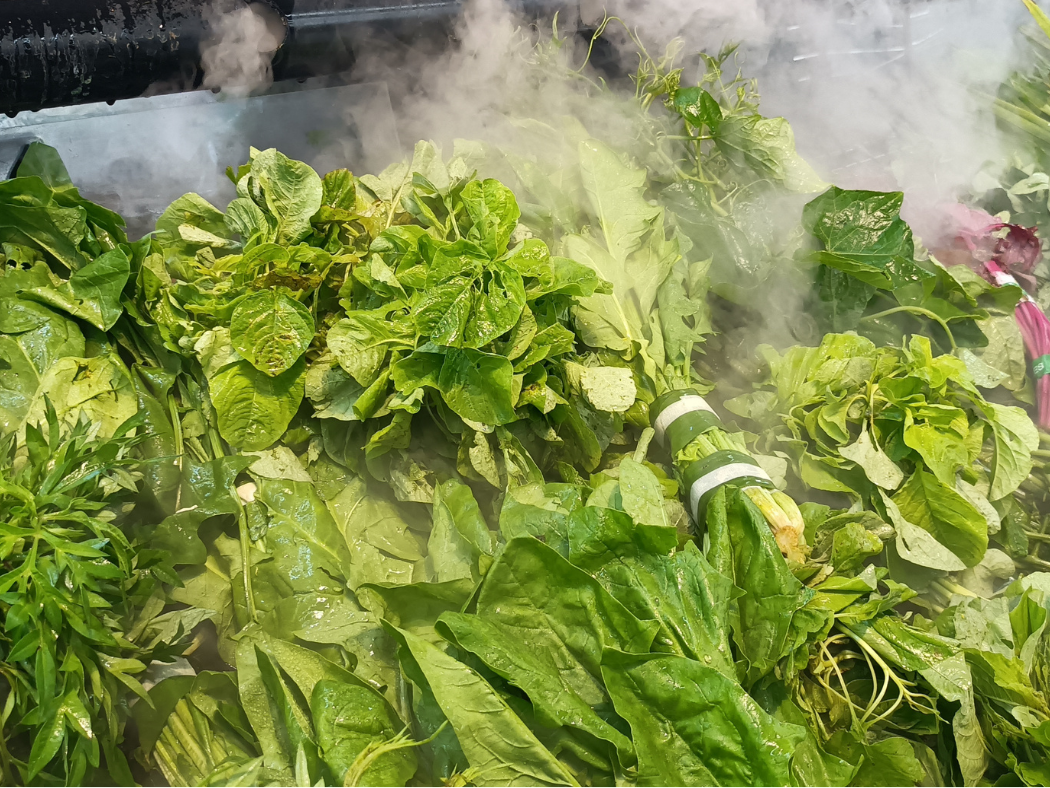
Registered, compliant, and manufactured in the USA
Selectrocide from Selective Micro Technologies
The problem
Where Food Safety Programs Fall Short
Most programs run one chemistry on the product and a second, harsher one on the equipment around it. That means two inventories, two sets of handling rules, and a residue problem on every surface the food touches.
- 01 Biofilm builds up It forms in waterlines, ice machines and equipment, and reseeds everything that passes through.
- 02 Pathogen pressure holds Listeria, Salmonella and E. coli survive in harborage points that routine cleaning never reaches.
- 03 Cross‑contamination It spreads between shifts, prep cycles and wash water, and travels with the product.
- 04 Residue and corrosion Bleach and PAA leave residue on food contact surfaces and corrode the equipment.
- 05 Windows tighten Less downtime to sanitize in, and more audit pressure from FDA, USDA and third parties.
What is happening behind it See more
Slime Shelters Bacteria
The slime on the inside of a water line is biofilm, a living layer bonded to the pipe. It shelters bacteria from ordinary sanitizers, survives routine cleaning, and keeps reseeding the water and the surfaces passing through it. Waterlines, ice machines, drains and the inside of closed equipment are where it holds on longest, which is why a program that only cleans what you can see keeps failing in the same places.
Why Bleach Falls Short
Chlorine loses strength as pH climbs. Above about 7.5 it converts to hypochlorite ion and gives up most of its killing power. Bleach is also consumed by organic load before it reaches the biofilm, so repeated shock chlorination costs more every time and is hard on conveyors, belts, mixers, packaging lines and every other food contact surface it touches.
Two Chemistries, Two Problems
Two products means two chances to get the concentration wrong, and chemical switching and downtime every time the line changes over.
A Route for Reinfection
You can sanitize the prep surfaces, the utensils and the deli counters and still put Listeria, Salmonella and E. coli back on the product from a drain, an ice machine or the inside of a piece of equipment. Until the harborage points are clean, the room keeps handing the problem back to the food.
How it works
Make it on site. Use it two ways.
Make chlorine dioxide on site in a tote. Dose it into a produce wash or spray line with an injector, or generate a batch and fill ready to use spray bottles for surfaces and equipment.
Example of food safety systems. On the left, Selectrocide is generated in a tote, drawn into the line by an injector and misted over produce. On the right, a batch is generated in bulk and used to fill spray bottles for surfaces and equipment.
Make it on site
Drop the pouch into a tote of water and generate Ultra-Pure chlorine dioxide.
Connect the injector
Run the tote into a proportional injector on your wash or spray line, including Dosatron style units.
Set your treatment rate
Set the injector for the concentration you need.
Apply it two ways
Dose the line for produce, or fill spray bottles for surfaces, equipment and drains.
No generators, no chemical mixing, no complicated equipment.
Where it works
One Solution Across Your Entire Operation
Produce and RAC systems
Produce Wash Systems
Uses
Flumes, spray bars and dunk tanks.
Results
Controls Listeria, E. coli and Salmonella.
Single-pass and recirculating wash systems. Prevents cross-contamination in wash water and maintains product quality and shelf life. Direct application to produce and raw agricultural commodities is cleared under FDA Food Contact Notifications.
Harvest and Handling Equipment
Uses
Bins, tools and conveyors.
Results
Less contamination carried between cycles.
Covers the harvest and handling process end to end. Reduces contamination from surfaces and improves sanitation between harvest cycles.
Water Systems
Uses
Irrigation, wash and storage water.
Results
Removes biofilm and stabilizes water quality.
Irrigation water, wash water, trench water and storage systems across produce operations. Reduces microbial load at the source, before it ever reaches the product.
Food processing systems
Processing Equipment and COP
Uses
Conveyors, belts, mixers and packaging lines.
Results
Lower pathogen load, no residue.
Also disassembled parts, bins, totes and utensils. Thorough sanitation without residue means less chemical switching and less downtime at every changeover.
CIP and Closed Systems
Uses
Piping, tanks, fillers and heat exchangers.
Results
Removes biofilm inside closed systems.
Including closed-loop transfer systems. Reaches the internal surfaces traditional chemistries never reach, which is where biofilm holds on longest.
Carcass Wash and Process Water
Uses
Wash cabinets, chillers and process water.
Results
Lower microbial load during processing.
Carcass wash cabinets, spray systems, chillers, post-chill systems, processing water, ice and ingredient water. Supports control of E. coli, Salmonella and other pathogens.
Drains and High-Risk Areas
Uses
Floor drains, trench drains and wastewater zones.
Results
Less pathogen harborage.
The high-risk zones throughout the facility, where routine cleaning never quite reaches. Supports Listeria control programs and improves overall facility hygiene.
Grocery, retail and restaurant
Prep and Food Contact Surfaces
Uses
Prep areas, deli counters and utensils.
Results
No residue on food contact surfaces.
Reduced cross-contamination between shifts and prep cycles, and cleaner prep environments, with no rinse step at use concentrations.
Ice Machines and Beverage Systems
Uses
Ice machines, bins and waterlines.
Results
Better ice safety and taste.
Removes biofilm and keeps internal systems clean, including beverage systems and the waterlines feeding them.
Back-of-House Areas
Uses
Sinks, drains and equipment.
Results
Cleaner environments, less odor.
Back-of-house throughout. Lowers contamination risk in the areas a routine clean tends to skip.
Storage and Coolers
Uses
Walk-in coolers and shelving.
Results
Less spoilage in cold storage.
Storage areas and shelving included. Improves sanitation consistency across cold storage, where spoilage organisms build up quietly.
Field results
Proven Results in the Field
Real-world outcomes from operations using Selectrocide as part of their sanitation program.
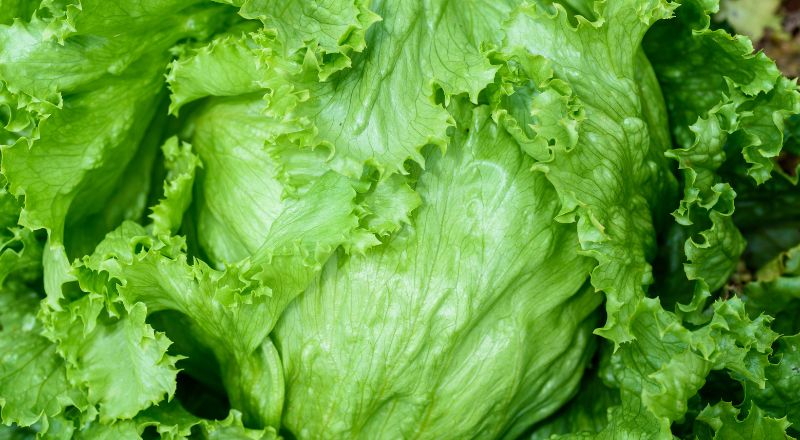
NEAR ZERO
Shrink of leafy greens
99.999%
Pathogen reduction
Less Shrink. Cleaner Systems. One Program.
Ultra-Pure ClO₂ reduced bacterial counts in the meat department by over 99.9%, and dropped leafy green shrink to near zero across a Homeland grocery store. One product replaced multiple chemicals across the entire operation.
Read the study →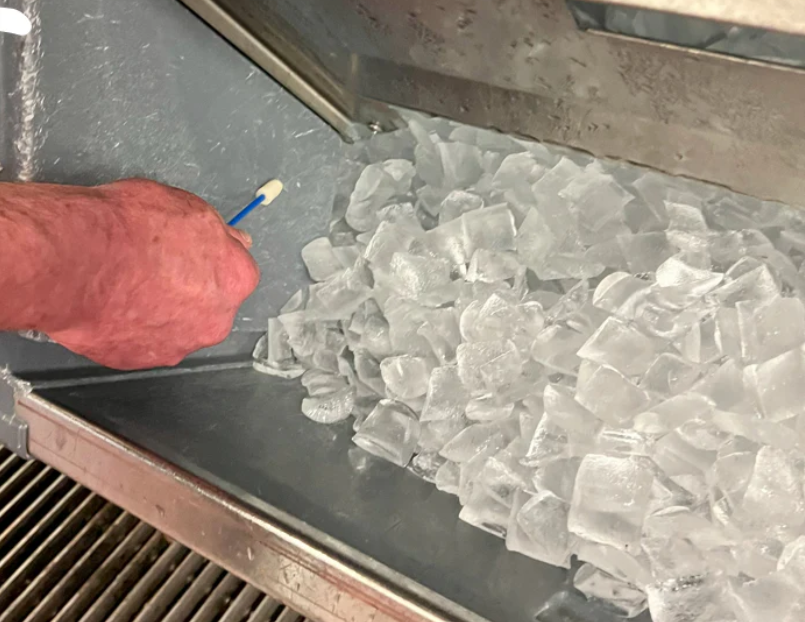
19.2M → 50
CFUs in the ice machines
NOT DETECTED
E. coli and Legionella
Eliminate Ice Machine Contamination. Without Extra Labor.
Ultra-Pure ClO₂ gas reduced contamination inside a major Orlando resort’s ice machines from 19.2 million CFUs to 50. No additional cleaning was required after installation, and E. coli and Legionella were not detected in any post-treatment sample.
Read the study →Applications
Use Rates by Application
Up to 3 ppm
Produce and wash water
Direct application to produce and raw agricultural commodities, and the wash water around them.
5 ppm
Approved direct food contact
For approved direct food contact applications under FDA Food Contact Notifications.
20 ppm
Food contact surface sanitizer
For sanitizing food contact surfaces, no rinse at use concentration.
100 ppm
Hospital grade disinfection
For disinfection of hard, non-porous surfaces and equipment.
Water and Surface Dosing Guide
- Test at the point of use, not only at the dosing point.
- Adjust the program to the actual water source and system.
- Always confirm the rate for your application on the product label.
Exact dosing varies by water source, organic load, and system type. Water testing is recommended before establishing a final protocol.
Safety and compliance
Built for Food Safety Environments
Get started
Get Started with Selectrocide®
A complete Ultra-Pure ClO₂ system to treat water, disinfect and sanitize surfaces and equipment, and control biofilm.
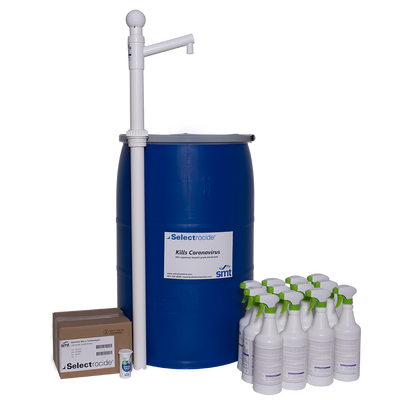
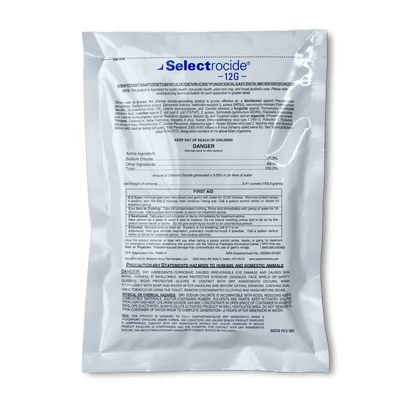
Selectrocide® 12G Kit →
Includes Selectrocide® 12G pouches, generation container, dispensing equipment, and test strips. Everything needed to treat water and sanitize equipment. Each pouch treats 3,000 gallons at 1 ppm.
Selectrocide® 5G Pouch →
Start small. Drop in, generate, and go. No mixing, no measuring. Built for waterlines, shock treatments, and surface sanitation. Treats up to 1,280 gallons at 1 ppm.
Get started
Reduce Risk. Simplify Sanitation.
From grocery stores to processing facilities, food safety starts with clean water and clean surfaces. We can help build a sanitation program specific to your operation.